
Concrete Permits in Augusta GA: What Hovmeowners Need to Know Before Starting
Planning a new driveway concrete, patio, or concrete walkway in Augusta, Georgia? You’re not alone. Concrete projects are a popular choice for homeowners looking to enhance their property’s value and functionality. However, before pouring any concrete, it’s essential to understand the permit requirements in Augusta, GA.
Getting a concrete permit ensures your project meets local building codes and zoning regulations, keeping your property safe and legally compliant. Let’s break down what homeowners need to know about concrete permits in Augusta and how to prepare for your next project.
Why a Concrete Permit Matters
A concrete permit is more than just paperwork. It protects both the homeowner and the community by ensuring that construction is done safely and to code. Permits help verify proper drainage, structural integrity, and adherence to local construction standards. Without a permit, you may face fines, complications during property sale, or the need to remove or redo non-compliant work.
In Augusta, permits are especially important because of regional factors like clay-heavy soil and seasonal rainfall, which can impact how concrete settles and drains. Proper permitting ensures that these conditions are accounted for in your project design.
When You Need a Permit in Augusta
Not every concrete project requires a permit, but major installations like driveways, patios, or sidewalks typically do. Homeowners should check with Augusta’s Building and Codes Department to confirm whether a permit is needed. Generally, these rules apply:
Driveways or walkways connecting to public roads
Large patio slabs or outdoor living areas
Concrete additions that affect drainage or landscaping
Projects within easements or near property lines
Work that alters grading or water runoff patterns
Smaller projects like decorative garden paths or minor repairs often don’t require permits, but it’s always best to confirm with local authorities.
Augusta-Specific Permit Requirements You Should Know
Understanding local requirements can save you time and costly mistakes. In Augusta concrete permits often involve multiple considerations beyond just pouring concrete:
Zoning and Setback Rules
Every property in Augusta falls under specific zoning regulations. These rules determine how far your concrete structure must be from property lines, roads, and neighboring properties. Violating setback rules can lead to fines or forced removal.
Drainage and Stormwater Compliance
Augusta enforces strict drainage guidelines to prevent flooding and water damage. Your concrete project must not redirect water onto neighboring properties or public infrastructure. This is especially important for driveways and patios.
Right-of-Way Permits
If your project connects to a public street or sidewalk, you may need a separate right-of-way permit. This ensures your work doesn’t interfere with public access or utilities.
HOA and Neighborhood Restrictions
If your home is part of a homeowners association (HOA), you may need additional approvals before starting your project. HOA guidelines often regulate design, materials, and layout.
What You Need Before Applying for a Permit
Before submitting your application, make sure you have the necessary documentation ready. Missing details are one of the most common causes of delays.
Essential Documents
Before submitting your application, make sure you have the necessary documentation ready. Missing details are one of the most common causes of delays.
Site plan showing property boundaries and project location
Project dimensions and thickness of concrete
Drainage plan or grading details
Description of materials (reinforcement, base layers, etc.)
Contractor details (if hiring a professional)
Utility Clearance (811 Call)
Before digging or pouring, homeowners must contact 811 to locate underground utilities. This step is critical to avoid damaging water lines, gas pipes, or electrical systems.
Soil Preparation Plan
In Augusta’s clay soil conditions, proper subgrade preparation is essential. This may include compaction, gravel base layers, or reinforcement to prevent cracking and shifting.

Steps to Obtain a Concrete Permit
1. Research Local Codes: Visit Augusta’s official website or contact the Building and Codes Department to understand permit requirements.
2. Prepare Your Plans: Include dimensions, location, materials, and drainage solutions for your project.
3. Submit Application: Provide the necessary documents and fees to the city for review.
4. Plan Review Process: City officials may review your plans for zoning, drainage, and safety compliance.
5. Permit Approval: Once approved, you’ll receive authorization to begin work.
6. Schedule Inspection: Inspections may occur before, during, and after the pour to ensure compliance.
By following these steps, homeowners can avoid delays, fines, and costly rework while ensuring their concrete project meets all regulations.
Inspection Process: What to Expect
Many homeowners overlook inspections, but they are a critical part of the permitting process.
common Inspection Stages
Pre-pour inspection: Verifies forms, reinforcement, and base preparation
Post-pour inspection: Ensures proper finishing and curing
Final inspection: Confirms compliance with approved plans
Failing an inspection may require corrections before moving forward, which can delay your project timeline.
Pros and Cons of Getting a Concrete Permit
Pros of Having a Permit
Ensures compliance with local building codes
Protects property value and resale potential
Reduces risk of fines or legal issues
Confirms proper drainage and structural integrity
Provides peace of mind with professional oversight
Cons of Getting a Permit
Additional upfront cost for application fees
Time required for approval and inspections
Possible design limitations due to regulations
Risks of Skipping a Permit
Some homeowners consider skipping permits to save time or money, but this can lead to serious consequences.
Potential Risks
Fines and penalties from local authorities
Stop-work orders during construction
Difficulty selling your home due to unpermitted work
Insurance issues if damage occurs
Costly removal or reconstruction of the project
In many cases, fixing unpermitted work ends up costing significantly more than obtaining a permit in the first place.
Tips for a Smooth Permit Process
To make your experience easier, consider these practical tips:
Work with a knowledgeable contractor familiar with Augusta regulations
Double-check zoning and setback requirements before designing your project
Submit complete and accurate documentation
Plan your project timeline around permit approval and inspections
Communicate with local officials if you have questions
Conclusion
Concrete permits in Augusta, GA are a crucial step in ensuring your project is safe, durable, and legally compliant. While the process may seem complex, understanding local requirements, preparing proper documentation, and following the correct steps can make it much smoother.
Whether you’re installing a new driveway, patio, or walkway, taking the time to secure the right permit helps protect your investment and ensures long-term success. By working within Augusta’s building regulations, homeowners can enjoy high-quality concrete projects without unexpected setbacks.
September 14 2025
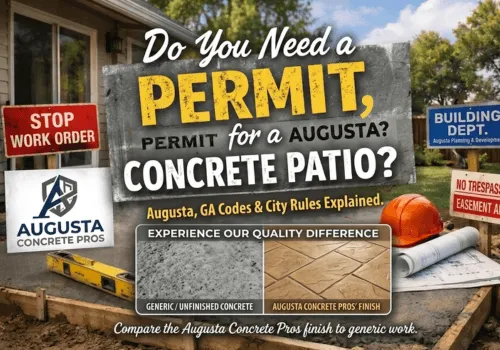
Poor Workmanship: The Hidden Concrete Problem in Augusta, Georgia
When homeowners in Augusta, Georgia deal with cracked driveways, sinking slabs, or surface damage, many assume it’s just due to weather or soil conditions. While those factors do play a role, there’s a much bigger issue that often goes unnoticed—poor workmanship......
June 21 2025
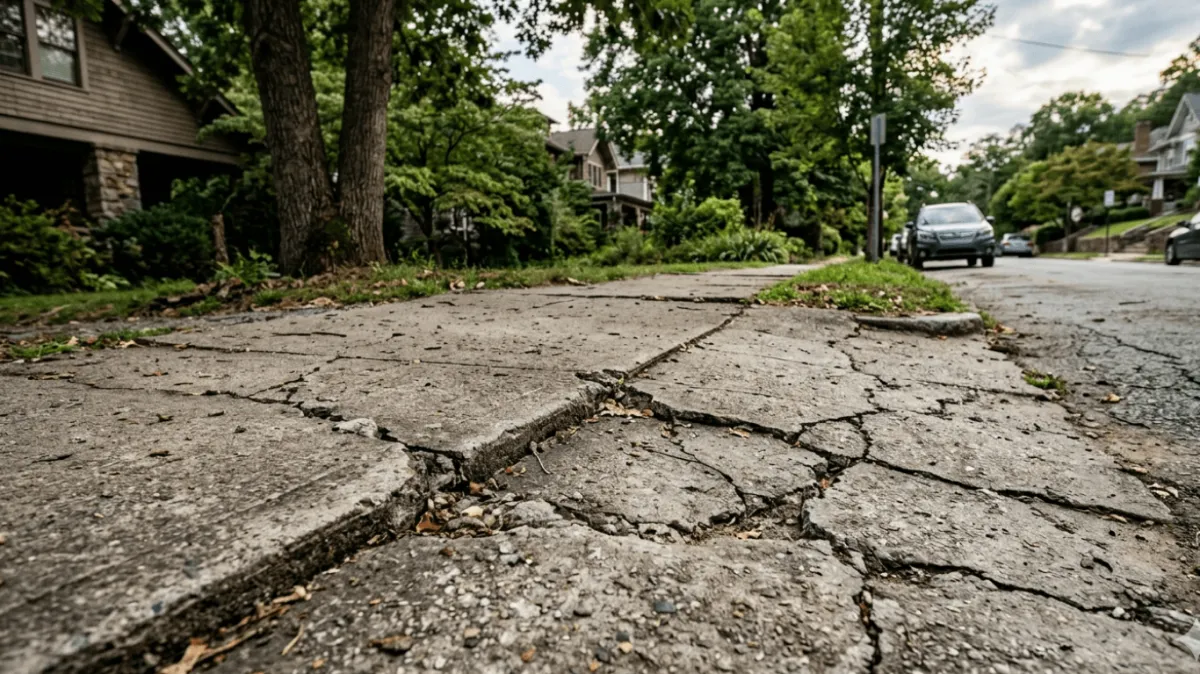
Uneven or sunken concrete is a very common problem homeowners face in Augusta, Georgia. You might notice your driveway sinking in certain areas, your patio becoming uneven, or sidewalks creating trip hazards......