
Uneven or Sunken Concrete in Augusta, Georgia: What Causes It and Why It Matters
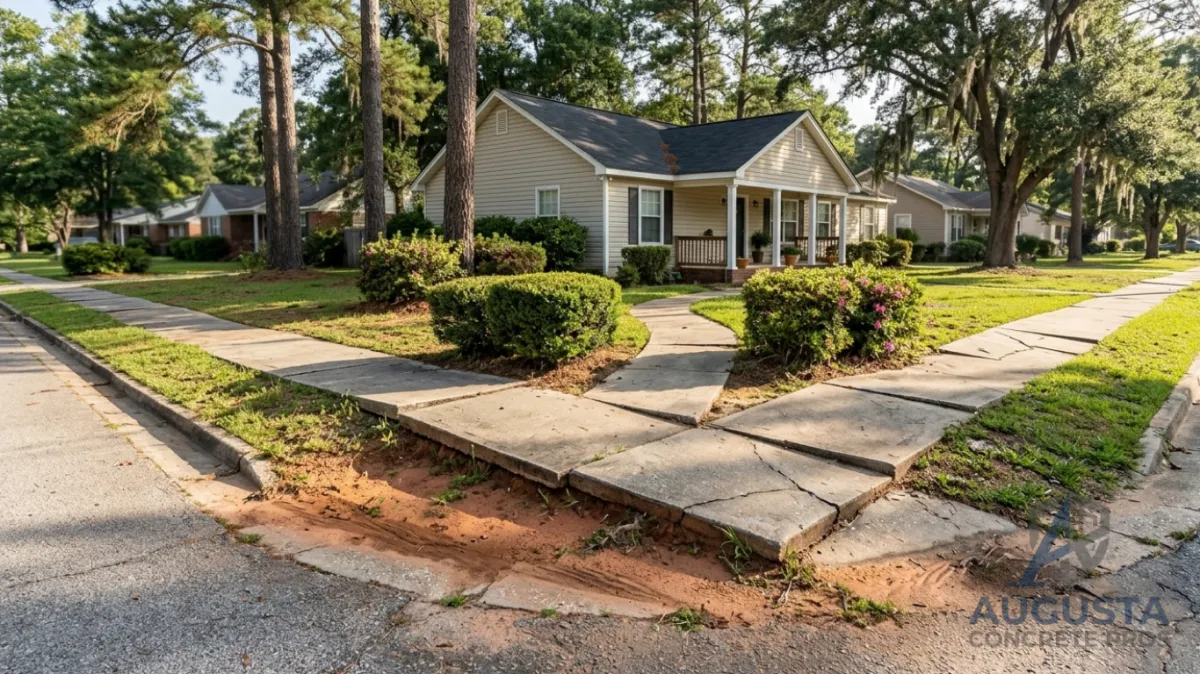
Uneven or sunken concrete is one of the most common issues homeowners face in Augusta, Georgia. You might notice your driveway dipping in spots, a patio tilting, walkways creating trip hazards, or garage slabs looking “off” — and while it may first seem like a cosmetic problem, behind the surface is often a serious soil, drainage, or installation issue.
Understanding the root causes — from local soil behavior to concrete installation mistakes — can help you prevent costly repairs, reduce hazards, and make better decisions when selecting a concrete contractor in Augusta, GA.
The Soil Under Augusta Makes All the Difference
The biggest underlying culprit in sunken or uneven concrete isn’t the concrete itself — it’s what’s underneath it.
Clay‑Heavy Georgia Soil
Like much of the Southeastern U.S., the soil around Augusta is rich in clay and expansive soil types. This soil expands significantly when wet and contracts when dry. In heavy rainfall seasons soil swells, and during dry spells (common in summer), it shrinks back down. This cycle of expansion and contraction creates voids under concrete where support used to exist — and that leads to uneven settling or sinking slabs. As water moves beneath slabs from rain, irrigation, or leaking utilities, the soil can also erode or wash away, leaving unsupported patches beneath concrete that eventually collapse under weight.
This moisture‑driven movement really matters around patios, driveways, sidewalks, and garage floors — especially where drainage is less than ideal.
Why Concrete Sinks: The Mechanics
Understanding how concrete sinks is just as important as why it happens.
• Soil Shrinkage & Settlement
When clay soil dries, it shrinks and contracts. Over time, this creates gaps or voids under your slab. Without solid support beneath, heavier concrete slabs gradually drop or crack.
• Soil Washout and Erosion
Water penetration from rain, poor grading, or plumbing leaks can wash fine soil particles out from under the slab — weakening support and causing the concrete to sink into the resulting voids.
• Saturation Weakens Soil
Excessive moisture doesn’t just wash soil away — it also weakens its ability to support a heavy load. Saturated clay loses strength, compresses under weight, and lets concrete sink more easily than dry, stable soil would.
In short: concrete requires a stable, well‑compacted base to stay level — and Georgia’s soil and weather just don’t make that easy.
Poor Installation — A Leading Preventable Cause
While Georgia soil can be challenging, many cases of uneven or sunken concrete are the result of installation mistakes — things that could have been avoided with proper preparation.
Rapid Drying & Shrinkage
During Georgia’s intense summer heat, the top layer of fresh concrete can dry too fast, leading to surface shrinkage cracks if not properly cured.
• Inadequate Soil Compaction
Before a slab is poured, the soil and base material beneath it must be compacted thoroughly. If this step is rushed or skipped, the concrete may look fine initially but will settle unevenly as loose soil compresses under its weight.
• Lack of a Proper Gravel Base
Experienced contractors will install a thick gravel base beneath almost every slab. This layer helps support the concrete and facilitate drainage. Omitting it is a common shortcut that shortens the life of the slab.
• Poor Grading and Surface Prep
Concrete poured on soil that hasn’t been graded to slope away from the house will hold moisture next to the slab. Over time, that moisture accelerates soil movement and sinking.
This is why who you hire matters more than how much you pay. Choosing a trusted concrete contractor in Augusta with proven experience in local soil conditions can make the difference between long‑lasting slabs and future sinkholes.
Real Homeowner Stories Reflect a Bigger Trend
Homeowners in Georgia often share experiences that match what professionals describe:
🔹 Stories of driveways sinking in the same spot — even after resurfacing — because the original base wasn’t stable.
🔹 Situations where heavy storms exposed poor drainage, leading to pooling water and uneven slabs.
🔹 Instances of patios tilting toward the home foundation after backfill soil wasn’t placed and compacted correctly.
These real experiences underline a key point:
Sunken concrete isn’t random — it’s usually due to predictable conditions exacerbated by improper preparation.
Why Uneven Concrete Is More Than Just an Eyesore
Many homeowners shrug off a slightly uneven slab as “normal wear.” That’s a costly mistake.
• Safety Hazards
Trip hazards on driveways, sidewalks, and patios can lead to falls, injuries, and liability concerns — especially for families with elders or active children.
• Drainage Problems
Sunken areas can create low spots that trap water against your home, which leads to faster soil erosion and potential foundation issues.
• Property Value Impact
Visible uneven slabs reduce curb appeal and can be a red flag for home inspections, potentially lowering your property’s market value.
• Structural Concerns
When concrete sinks near a foundation or garage slab, it may signal deeper soil movement or water damage issues that require professional inspection.
How Uneven Concrete Is Typically Diagnosed
Experts will often take a comprehensive view when assessing uneven or sunken concrete:
Measuring slope and elevation changes
Checking drainage patterns
Inspecting soil moisture and compaction beneath slabs
Identifying signs of washout or erosion
Looking for clues of plumbing leaks
Because concrete itself isn’t flexible, anything that weakens its base will show up as a structural issue — not just surface cracks or cosmetic damage.
Effective Fixes for Sunken or Uneven Concrete
Repair doesn’t always mean full replacement. Modern techniques can restore level slabs with minimal disruption:
• Polyurethane Concrete Lifting
This method injects expanding foam beneath uneven slabs, filling voids and lifting the concrete back to its original level. It’s faster, cleaner, and often more durable than older options.
• Mudjacking
An older method where a cement slurry is pumped under the slab to raise it. It works but doesn’t always address soil instability as effectively as polyurethane foam.
• Regrading and Drainage Management
Fixing the cause — such as rerouting water away from slabs with proper grading, gutters, and downspouts — is essential to prevent re‑settling.
• Soil Stabilization
In extreme cases, contractors may use soil stabilization techniques or grout injection to strengthen weak soils before leveling.
Modern concrete leveling solutions are designed to be long‑lasting and less invasive than full slab replacement.
Maintenance Tips to Prevent Future Problems
Even after repair, some maintenance makes a big difference:
✔ Keep gutters and downspouts clear so water doesn’t pool near slabs.
✔ Ensure landscaping slopes away from driveways and walkways.
✔ Address irrigation leaks or washing near concrete before soil under slabs erodes.
✔ Regularly inspect concrete surfaces for new dips, cracks, or water pooling.
Proactive maintenance protects your investment and prolongs the life of your surfaces.
The Bottom Line for Augusta Homeowners
In Augusta, uneven or sunken concrete is rarely “just aesthetic.” It’s usually a sign of soil movement, water issues, or installation shortcuts — and the consequences can go beyond cracked driveways.
To save time, money, and headaches:
To save time, money, and headaches:
✔ Understand why your concrete is uneven — not just that it is.
✔ Work with professionals who understand local soil types, drainage challenges, and proper base preparation.
✔ Fix drainage and soil support before lifting or leveling concrete.
The most effective concrete solutions are those that treat the problem beneath the surface, not just the surface itself.
july 15 2025
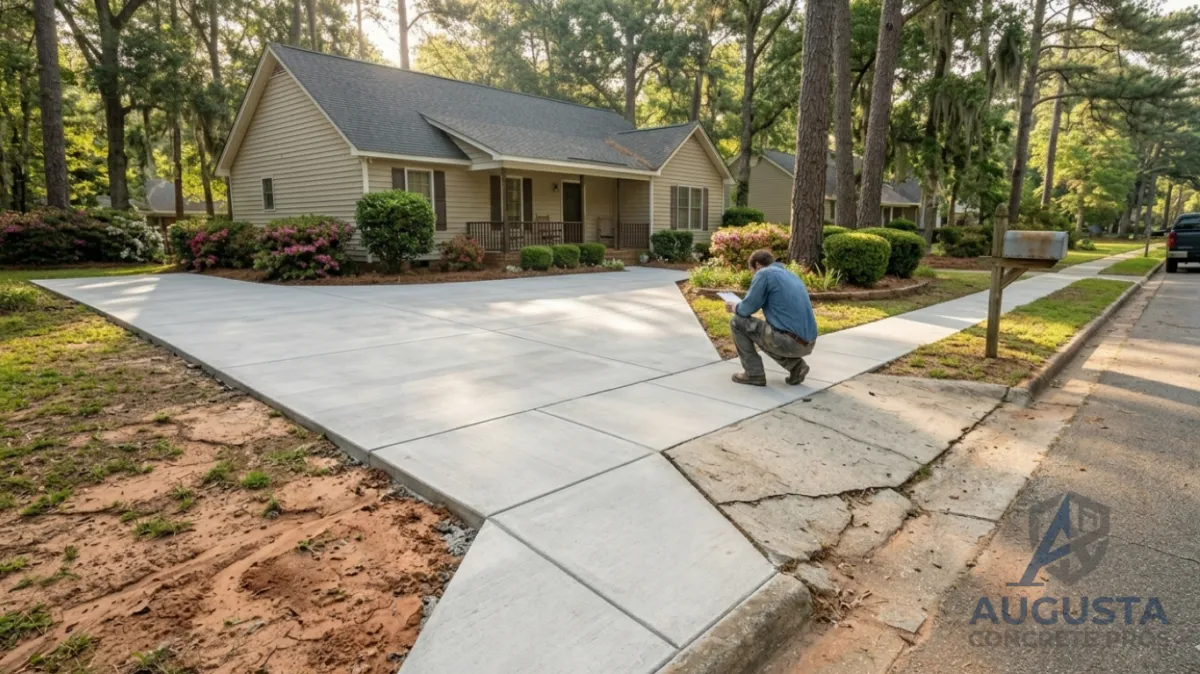
How to Avoid Overpaying for Concrete in Augusta, Georgia: 7 Proven Ways to Get the Right Price
Concrete projects in Augusta, Georgia are getting more expensive—and many homeowners are starting to notice. You get one quote at $3,000, another at $8,000, and suddenly you’re stuck wondering what the real price should be.
November 2 2025
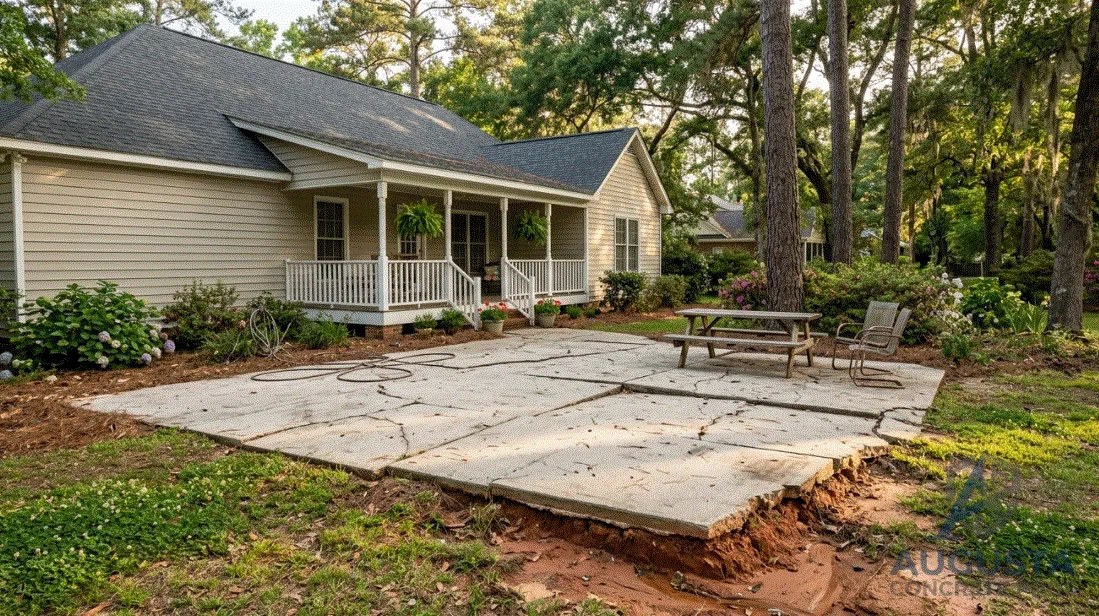
Poor Workmanship: The Hidden Concrete Problem in Augusta, Georgia
When homeowners in Augusta, Georgia deal with cracked driveways, sinking slabs, or surface damage, many assume it’s just due to weather or soil conditions. While those factors do play a role, there’s a much bigger issue that often goes unnoticed—poor workmanship.
This hidden problem is one of the leading causes of concrete failure, and unfortunately, it’s more common than many homeowners realize.......